Understand what you’re preserving
Your blood contains different types of cells, including immune cells. Apheresis allows specific blood components to be collected for processing and storage.

Cell banking means collecting and storing your cells today for potential future use. CGT Healthcare helps you understand the process, make an informed plan, and take the next step with support.

Your blood contains different types of cells, including immune cells. Apheresis allows specific blood components to be collected for processing and storage.
Some therapies use a person’s own cells as starting material. Stored cells could be evaluated if a suitable treatment is considered in the future.
Banking does not guarantee that a treatment will become available or that your stored cells will meet its requirements. Additional testing or a new collection may still be needed.
Our team coordinates your experience and explains what to expect along the way.
Discuss your goals, review your health history, and understand the collection and storage services.
Complete the required screening and preparation. Cells are collected through a process called apheresis.
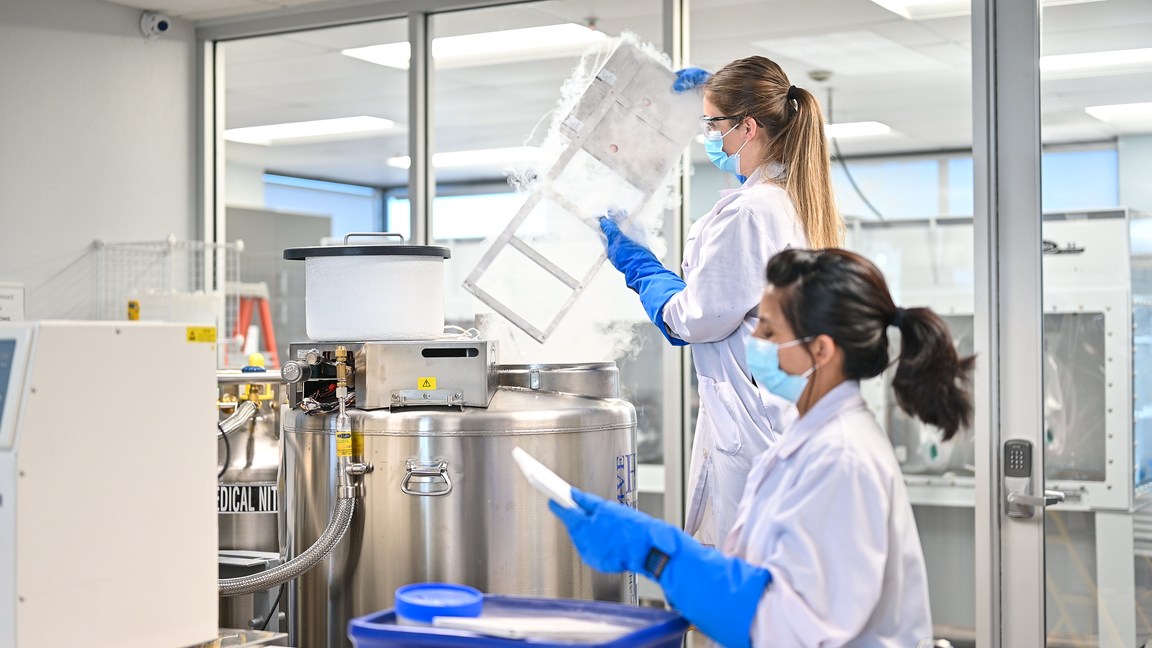
Your collected cells are processed and cryopreserved according to your collection and storage plan.
Your cells remain in storage under your agreement. Contact the team with questions or if your needs change.
Banking your cells does not commit you to treatment. Any future use requires a separate medical evaluation, review of cell suitability, and appropriate authorization.

Learn about cell collection, storage, potential future uses, and the questions to ask before you decide.
Read online or save the PDF to explore at your own pace.
Whether you’re exploring a potential therapy pathway or considering cell banking, our team is here to help.